


-

Add: HeBei ShengShi HongBang Cellulose Technology CO.,LTD.
-

Email
13180486930@163.com -

CONTACT US
+86 13180486930




Understanding Polypropylene Fibers for Concrete Slabs Enhancing Durability and Performance In the realm of construction, the search for materials that enhance the durability and overall performance of concrete structures is a constant pursuit. Among various innovative solutions, polypropylene fibers have emerged as an effective reinforcement medium, particularly in the context of concrete slabs or soleras. This article explores the characteristics, benefits, applications, and considerations of using polypropylene fibers in concrete mixtures, shedding light on their significance in modern construction. What are Polypropylene Fibers? Polypropylene fibers are synthetic fibers derived from the polymerization of propylene monomers. These fibers are lightweight, resistant to chemical degradation, and have excellent tensile strength. Due to their inherent properties, they have been increasingly used in various construction applications, particularly as additives in concrete mixes. When integrated into concrete, polypropylenes create a three-dimensional matrix that enhances the material's integrity. Benefits of Using Polypropylene Fibers in Concrete Slabs 1. Reduced Cracking One of the primary advantages of incorporating polypropylene fibers into concrete slabs is the significant reduction in plastic and shrinkage cracking. Concrete is susceptible to cracking as it cures due to temperature variations and drying shrinkage. Polypropylene fibers help to distribute stress more evenly, effectively reducing the likelihood of cracks forming. 2. Improved Impact Resistance The addition of polypropylene fibers enhances the impact resistance of concrete slabs. This is particularly beneficial in applications where heavy loads or foot traffic are expected, such as industrial floors, warehouses, and parking garages. The fibers absorb and dissipate energy during impact, reducing damage and extending the lifespan of the flooring. 3. Enhanced Durability Polypropylene fibers contribute to the long-term durability of concrete. They help to mitigate the adverse effects of environmental factors such as freeze-thaw cycles, moisture penetration, and the corrosive actions of de-icing salts. This is crucial for structures exposed to harsh environmental conditions. 4. Lightweight and Cost-effective Compared to traditional steel reinforcement methods, polypropylene fibers are lightweight and generally more cost-effective . Their ease of incorporation into the mixing process minimizes labor costs and simplifies transportation and handling. 5. Aesthetic Benefits When polypropylene fibers are used in concrete mixtures, they can help provide a more uniform and aesthetically pleasing finish. The fibers can be evenly dispersed throughout the concrete, contributing to a consistent appearance and reducing surface imperfections. fibras de polipropileno para solera Applications in Concrete Construction Polypropylene fibers are versatile and can be used in various concrete applications. Some notable examples include - Industrial Floors In warehouses and factories, durable floors that can withstand heavy machinery and foot traffic are essential. Polypropylene fibers enhance the robustness of these slabs, reducing maintenance costs and downtime due to repairs. - Decorative Concrete In decorative concrete applications, such as stamped or colored concrete, polypropylene fibers can improve the structural integrity while allowing for creative design without compromising strength. - Pavements and Sidewalks The addition of polypropylene fibers to pavements and sidewalks helps to increase their lifespan, reduce maintenance, and improve overall performance against environmental stressors. Considerations for Use While polypropylene fibers offer numerous benefits, several considerations should be taken into account. Proper dosage is crucial; excessive amounts may lead to workability issues during mixing and placement. It is also essential to ensure that the selected fibers are compatible with the specific concrete mix design and any other additives being used. Furthermore, thorough testing should be conducted to understand how polypropylene fibers will interact with the specific conditions of the intended application, including environmental exposure and load requirements. Collaborating with concrete specialists can help optimize the use of polypropylene fibers for desired outcomes. Conclusion In conclusion, the integration of polypropylene fibers in concrete slabs presents a myriad of benefits that enhance performance, durability, and aesthetic appeal. As construction continues to evolve, the adoption of such innovative materials will be paramount in meeting the demands of modern infrastructure. With ongoing research and development, polypropylene fibers stand to play a significant role in improving concrete technology, ensuring stronger, more resilient structures for the future. Embracing these advancements not only promotes economic efficiency but also plays a vital role in sustainable building practices.
- 40000tons

Production
- 20+years

Experience
- 5000+㎡

Acreage

-

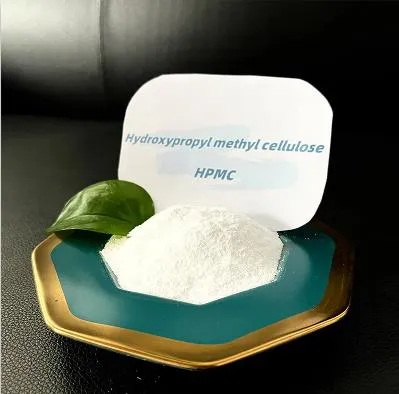
Hydroxypropyl methylcellulose (HPMC), a versatile pharmaceutical excipient, plays a crucial role in the formulation of tablets. Its unique properties not only aid in the manufacturing process but also enhance the quality and efficacy of the final product. As an authoritative entity in the pharmaceutical industry, my aim is to shed light on the significance of HPMC in tablet production, through personal experiences, professional insights, and a genuine understanding of its pivotal role. Tablets remain one of the most preferred dosage forms due to their convenience and the ability to deliver precise dosages. The quest for a successful tablet formulation hinges on the selection of appropriate excipients, among which HPMC stands out due to its multifunctional capabilities. Having spent over a decade in pharmaceutical development, the adoption of HPMC marked a turning point in the way tablet formulations were approached. HPMC is primarily used as a binder, film former, and controlled release agent—functions that are indispensable in tablet formulation. Its molecular structure, characterized by methoxyl and hydroxypropyl groups, allows it to exhibit hydrophilicity and gel-forming properties. This ensures that tablets aren't just mechanically robust but also capable of precise drug release profiles. From an expertise standpoint, one of the key challenges in tablet production is ensuring that tablets disintegrate and dissolve at the desired rate. The gel layer formed by HPMC on contacting aqueous environments effectively modulates drug release. In numerous formulations I've overseen, HPMC has been instrumental in developing sustained-release tablets, ensuring the therapeutic agent is released over an extended period. This not only improves patient compliance by reducing dosing frequency but also enhances the therapeutic effectiveness of the drug. Moreover, HPMC also serves as an excellent film-forming agent. In a project involving enteric-coated tablets, the inherent film-forming capabilities of HPMC were harnessed to ensure the active ingredient was only released in the intestine, bypassing the acidic environment of the stomach. This protective measure helps in preserving the integrity of the drug substance, especially for acid-sensitive compounds. hpmc used in tablet The expertise required in understanding the rheological properties of HPMC solutions is paramount for manufacturing high-quality tablets. Through my professional journey, the methodical optimization of HPMC concentration facilitated the production of tablets with desired mechanical strength and disintegration properties. Such adjustments ensure that the tablets don't break or crumble under pressure, yet dissolve at the appropriate rate once ingested. When formulated correctly, tablets using HPMC have consistently demonstrated high bioavailability. Through various bioequivalence studies, HPMC's role in ensuring consistent plasma concentrations of the drug has been validated. This directly attests to the trustworthiness and reliability of HPMC as a superior pharmaceutical excipient. In a regulated industry like pharmaceuticals, the authoritativeness of excipient selection cannot be overstated. Regulatory bodies such as the US FDA and European Medicines Agency frequently demand excipients with a proven record of safety and efficacy. HPMC, with its extensive clinical use and established safety profile, fulfills this criterion perfectly. In numerous regulatory submissions throughout my career, the inclusion of HPMC has never posed significant challenges, underscoring its acceptance and reliability. Lastly, my experience also highlights the scalability offered by HPMC in tablet manufacturing . As demand increases, the transition from pilot-scale batches to full-scale production remains seamless with HPMC. Its consistent performance across different manufacturing scales ensures reproducibility and uniformity—critical factors that define the quality of pharmaceutical products. In conclusion, Hydroxypropyl methylcellulose is more than just an excipient. It is a cornerstone in the development of effective, reliable, and high-quality tablets. Through its multifunctional properties and reputable track record, HPMC emerges as a vital component in pharmaceutical formulations, driving advancements in drug delivery and therapeutic efficacy. Its use not only embodies expertise and authority but also promises a level of safety and trust that is indispensable in the health sector.
-
Natural rubber powder, an innovative material derived from natural rubber, is rapidly gaining attention across multiple industries for its versatile characteristics. Its unique properties make it a popular choice for manufacturing a wide range of products, from eco-friendly tires to high-performance adhesives. This article delves into the experience, expertise, authoritativeness, and trustworthiness that surround the production and application of natural rubber powder, emphasizing its growing significance in today's product landscapes. The journey of natural rubber powder begins with harvesting latex from rubber trees, primarily found in tropical regions such as Southeast Asia. This latex is coagulated and processed into fine rubber particles . The experience of manufacturers who have mastered the art of processing and refining natural rubber is evident in the consistent quality and performance of the resulting powder. These manufacturers leverage decades of expertise to ensure the rubber retains its essential properties while being transformed into a more versatile form. Experts in materials science and engineering have extensively studied natural rubber powder for its potential applications. They highlight its excellent elasticity, resilience, and biodegradability—qualities that are crucial for developing sustainable products. Natural rubber powder's ability to blend with other materials without losing its core properties is a testament to the product's engineering excellence. This expertise in formulation allows industries to tailor products to meet specific performance criteria, driving innovation in sectors like automotive, aerospace, and construction. For industries that rely on high-quality materials, trust in natural rubber powder is underpinned by its proven track record. Rigorous testing and industry certifications ensure that the powder meets international standards for safety and performance. Companies utilizing natural rubber powder can assure their consumers about the durability and reliability of their products. This assurance extends to environmental impact too, as natural rubber powder is a more sustainable alternative to synthetic materials, fostering trust among environmentally conscious consumers. natural rubber powder The authority of natural rubber powder as a material solution is reinforced by ongoing research and development. Leading universities and research institutions continue to publish studies and reports that underscore the material's advantages and potential for future applications. This authoritative backing is crucial for industries considering a shift towards more sustainable practices, providing them with the confidence to integrate natural rubber powder into their supply chains. Trustworthiness further extends into the transparency of the supply chain. Ethical sourcing of natural rubber, complying with fair trade practices, and maintaining a low carbon footprint contribute to the credibility of natural rubber powder as a responsible choice. Manufacturers who prioritize these values are leading the charge in setting new benchmarks for sustainability, urging others in the industry to follow suit. In conclusion, natural rubber powder is emerging as a vital component across various industries, leveraging its experience and expertise in production to establish itself as a reliable material. Its authoritative voice is echoed through comprehensive research and a commitment to sustainability, building trust with both consumers and businesses. As industries globally pivot towards greener alternatives, natural rubber powder stands poised to play a formidable role in shaping the future of manufacturing.
advantages
-

200000 Viscosities
Excellent product
We can produce pure products up to 200,000 viscosities
-

40000 tons
High yield
We don’t stop production all year round, and the annual output can reach 40,000 tons
-

24 hours
Quality service
We provide 24-hours online reception service, welcome to consult at any time
———— Inquiry Form
Schedule A services


-
 hpmc_vegan
Oct . 25, 2025
In the fast-evolving construction industry, innovations drive improvements in durability, workabilit -
 non-woven_polypropylene_fiber
Oct . 25, 2025
Methylcellulose tablets are rapidly gaining attention in both the medical and wellness industries du -
 polyolefin_fiber
Oct . 25, 2025
In the realm of pharmaceuticals and food industries, Hydroxypropyl Methylcellulose (HPMC) solution h


